
Kaufman & Stigger, PLLC can guide you through the claims process if you’re injured in a construction accident in Louisville. With all the different job sites across the city, one of the most challenging is when you work on a roofing crew. Injuries can happen pretty easily, but you still have options for getting financial help. And our team will be with you from the beginning. Set up a free consultation today.
Why it Makes Sense to Get Legal Help After a Roofing Accident
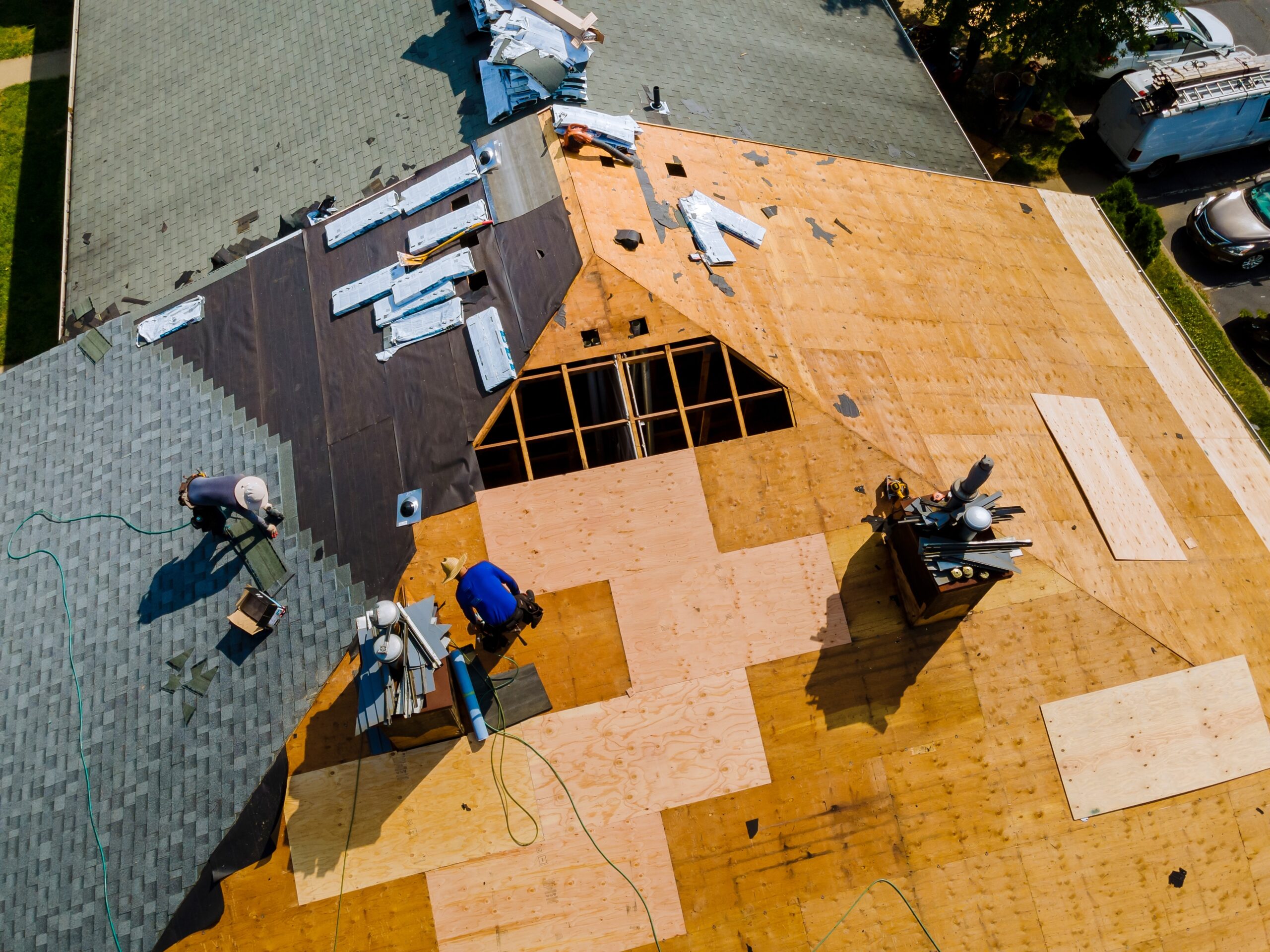
Working on roofs day in and day out is pretty dangerous no matter how careful you are. Anytime you work at elevation around heavy equipment and other materials, there’s simply not much room for error. But that doesn’t mean every accident is just part of the job. More to the point, you shouldn’t be left paying the price when injuries and accidents do happen to you.
That’s why you have access to workers’ comp benefits, as well as other legal options. But even then, your employer and their workers’ comp carriers don’t always make things easy. So if that’s what you’re now dealing with, it makes sense to reach out to our team. When you do, we’ll:
- Explain what benefits may be available to you and what to expect
- Get all the information and other evidence you need
- Handle the back-and-forth with your employer and the insurance company
- Step in if your payments are delayed or your claim is denied
- Look at whether you have other legal options
Getting hurt on the job is never ideal, and it can be especially serious when you’re injured while roofing. Unfortunately, the injury itself is only the start of the questions and issues that can come up. With our team, you can focus on healing and getting back to work while we handle the claims side of things.
How You Could Get Injured in a Roofing Accident
When you think about a roofing accident, it’s not hard to understand how things can go wrong. You’re working at heights, moving around on sloped surfaces, handling tools and materials, and sometimes dealing with weather that makes an already difficult job even more dangerous. Dealing with these things might be common, but it doesn’t necessarily tell you how you could get injured. That’s more specific, and usually happens from:
- Falls from roofs, ladders, scaffolds, or other elevated surfaces
- Missing or inadequate guardrails, fall protection, or other safety equipment
- Slippery or unstable roofing surfaces, especially in bad weather
- Roof openings, weak areas, or other hazards that weren’t properly covered or marked
- Poorly maintained or defective ladders, tools, and other equipment
- Falling tools, roofing materials, or debris
- Unsafe working conditions or pressure to work in dangerous weather
Any single one of these things can leave you with serious injuries. More often than not, though, it’s going to leave you with a combination of problems that workers’ comp benefits can help with initially, but only with certain information.
What Information Helps After a Roofing Accident in Louisville?
If you’re like most workers, you don’t climb onto a roof expecting to wonder whether it’s safe. You trust that the people in charge have done their job and made sure the equipment, work area, and safety measures are ready.
Unfortunately, that doesn’t always happen, and when someone cuts corners on a roofing job, accidents aren’t far behind. When that happens, your first priority should be:
- Report the accident to someone in charge and get medical help.
Everything else flows from this step, because it alerts your bosses that something has happened and that you need medical attention. Then, as long as you’re under your own power and have gotten first aid, it’s a good chance to get a few basics that’ll set the stage for later. That usually means:
- Pictures or videos of the roof, ladder, equipment, work area, unsafe conditions, and any visible injuries
- Names and contact information for coworkers or anyone else who saw what happened. It’s also a good idea to note who you reported your injuries to and what they did from there (as far as you can tell.)
As long as you have these things in one form or another, you have the basic building blocks of a claim. Most of the time, roofing injuries are serious enough that you might not be able to do anything except wait for an ambulance. So don’t panic if you can’t take pictures or notes about who was there. We can help fill in those gaps.
Then as things settle down in the coming days and weeks, other important information is going to start coming in. Things like:
- The accident report from your employer, including its version of what happened
- Details about the roof, ladder, tools, equipment, or materials you were using
- Photos showing damaged equipment, missing guardrails, open areas, or other unsafe conditions
- Security footage or other video that may have captured the accident
- Your medical records and bills from the treatment you’ve received
- Any restrictions or instructions your doctor gives you about working
- Pay stubs or other records showing what you’ve missed out on because you can’t work
- Emails, texts, or other communications with your employer or the insurance company
- Your own notes about your symptoms, limitations, and how your recovery is going
Getting hurt on a roof might be more common than someone who gets hurt in an office, but that doesn’t make what you’re dealing with any easier. And to that point, something that can make things easier for you and your family is filing a claim and getting financial help.
How Can I Get Benefits After I’m Injured in a Roofing Accident?
Even though you might think your injuries speak for themselves, that’s not necessarily how an insurance company will look at it. So the more information you have, the stronger your claim will be when it comes time to actually go forward. Now, the type of claim you file is totally up to you, but in this situation, there’s two main ways you can get help:
- Filing for workers’ compensation. This is usually the first step after an injury on the job. Because every employer is required to carry workers’ comp insurance and it applies to pretty much every kind of worker throughout Kentucky, all you have to do is fill out and turn in the claim form to start getting benefits like:
- Medical treatment for your injuries
- Temporary disability payments while you’re unable to work
- Permanent disability benefits if you’re left with lasting problems
- Job retraining if you can’t return to the same type of work
Workers’ comp in Kentucky is a no-fault system, meaning you don’t actually have to show that your injuries happened due to someone else’s carelessness or negligence. However, workers’ comp carriers are still insurance companies, so they still might try to question your medical treatment, delay payments while they review your claim, or look for other ways to reduce what they have to pay. And no matter how strong your claim is, workers’ comp benefits don’t last forever. That’s where your other option comes in.
- Filing a personal injury If your benefits run out or your injuries are to the point where you need more financial help, you might be able to file a standard personal injury claim in the same way you would if the accident happened outside of work.
However, just like that process, you have to show negligence caused your injuries. And in the context of a roofing accident, that’s not always easy to do because there are a lot of different companies and workers with varying responsibilities on a typical construction site. Still, it’s not out of the question, especially if you can show that management didn’t follow the right safety protocols or you were forced to use a defective ladder or tool that injured you. From there, you can either file:
- An insurance claim outside of court
- A personal injury lawsuit
And these two options give you a chance at damages that workers’ comp doesn’t fully cover, like:
- Full medical expenses, both now and in the future
- Current lost income or reduced future earning capacity
- Pain and suffering
- Emotional distress
- Loss of quality of life
- Wrongful death losses in fatal accidents
With either option, remember, come deadlines. In Kentucky, there are specific deadlines for workers’ compensation and personal injury claims, and the exact deadline can depend on the circumstances of your case. One way or another, your options won’t be around forever. That’s why our team will be with you from the beginning, to make sure nothing gets missed.
Kaufman & Stigger Can Help You After a Roofing Accident in Louisville
It’s never easy getting injured on a construction site in Louisville, even if you spend your days on a roof. When something goes wrong and you do get hurt, you don’t have to try to figure everything out on your own.
Our Louisville construction accident lawyers at Kaufman & Stigger, PLLC will be there to guide you through the workers’ comp process or injury claim process, whichever you need. Set up a free consultation today to get started.