
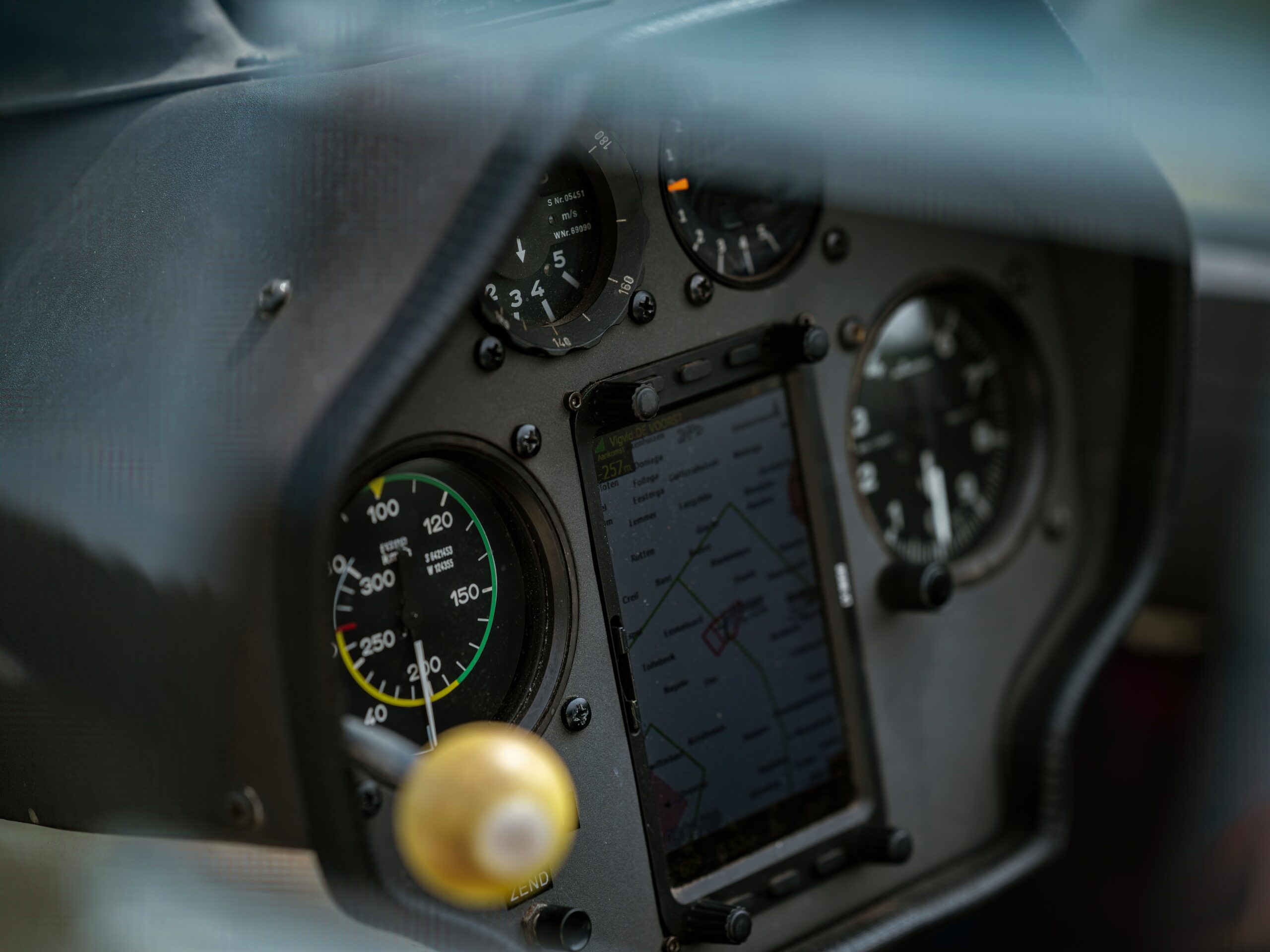
Kaufman & Stigger, PLLC helps people that are injured in aviation accidents in Louisville. Flying an airplane or helicopter is incredibly technical by design. No matter how well-trained or experienced pilots and crews are, there’s still instruments they use that are absolutely necessary for a safe flight. When these instruments fail or something goes wrong, accidents happen. Our team can help you and your family through what comes after. Set up a free consultation today.
Do I Need a Lawyer?
For as technical as the instruments are that help pilots and airlines operate their aircrafts, you don’t need any of that knowledge if you’re hurt in an accident. But that doesn’t mean it’s not important or difficult to deal with–particularly when it comes to information you’ll need for a potential claim. So, while you don’t need a lawyer technically, having one that’s experienced with these types of accidents can be extremely helpful. Our team at Kaufman & Stigger has that experience and the resources to help you by:
- Looking into the instrument failure to figure out what happened.
- Explaining your rights and options.
- Helping you gather all the information and evidence you’ll need.
- Handling talks with airlines, manufacturers, and their insurance companies
- Guiding you through a claim and getting financial help.
All of this is especially important because figuring out what caused the accident isn’t always straightforward. Many airplane accidents involve some kind of instrument failure, and understanding how those failures happen is key to building a strong claim.
What Causes Instrument Failure in Airplane Accidents?
Many people don’t realize how much a plane relies on its instruments. Altimeters, airspeed indicators, artificial horizons, navigation systems, radar—they all work together to keep a flight safe. When one fails, it can turn an ordinary trip into a nightmare. It’s unthinkable, but it’s not out of the realm of possibility. Here’s what usually causes these kinds of accidents:
- Mechanical or electronic malfunctions. Instruments can wear out, have defects, or fail electronically. A faulty altimeter or stuck gauge can create dangerous conditions.
- Maintenance or calibration errors. If an instrument isn’t checked or calibrated properly, it can provide inaccurate readings.
- Weather or environmental conditions. Ice, storms, or extreme heat can interfere with instruments. If a plane’s weather radar fails, it can easily cause an accident.
- Pilot misread or overload. Even when instruments work correctly, pilots may misread or mismanage them, particularly in stressful situations. That can also factor into liability and claims.
Ultimately, it doesn’t matter what kind of instrument failure leads to the accident–rather, it’s about why things went wrong. Understanding the instruments in play is important, but even more important is the information that’s available.
What Types of Information Will I Need for a Claim?
After an airplane accident, building a claim is like putting together a puzzle. You need pieces from multiple sources to see the full picture. Some of the key pieces include:
- Accident reports from the FAA or NTSB, which provide an official account of what happened.
- Maintenance and service records for the plane, showing whether instruments and equipment were inspected and repaired properly.
- Pilot logs and certifications to confirm training, flight hours, and experience.
- Instrument and equipment history, including manufacturer recalls or known defects.
- Weather reports and radar data to understand the conditions at the time of the flight.
- Eyewitness statements, photos, or videos, which can provide firsthand perspectives on the accident.
Having this information is important for a couple different reasons, namely that it helps you identify exactly what failed, why it failed, and whether or not those in charge were aware of it. But the next question often on the mind is: Who could actually be responsible when an instrument fails?
Who’s Responsible When Instrument Failure Causes an Airplane Accident?
One of the hardest parts of any claim is figuring out who’s responsible. Yet, even when something as straightforward as an instrument failure causes an accident, legal responsibility can get complicated. So it’s down to negligence, which opens the door for this liability to fall on:
- The pilot or co-pilot, if errors or mismanagement contributed to the accident.
- The airplane manufacturer, if a defect in the plane itself caused the failure.
- The instrument manufacturer, if a specific device malfunctioned.
- The airline, for maintenance, training, or operational oversights.
- Air traffic controllers or the airport, if guidance or monitoring contributed to the accident.
For example, a small Louisville commuter flight might take off normally, but a sudden warning from the altitude indicator goes ignored. If the maintenance team failed to calibrate that instrument correctly, the airline could be liable. If it was a defect in the device itself, the manufacturer may also share responsibility. Every detail matters, and it leads you into the next question: what are my options?
What Are My Options for Filing a Claim After an Airplane Accident?
Even with something as technical (and devastating) as an airplane accident from an instrument failure, your options for filing a claim don’t change: if someone else’s mistake or negligence caused the accident, you can either:
- File an insurance claim out of court.
- File a personal injury lawsuit.
Each situation is unique. The right approach depends on the type of instrument failure, the parties involved, and the scope of your damages, which can include things like:
- Current and future medical expenses
- Current and future lost wages
- Repair/replacement costs for damaged luggage or other personal property
- Pain and suffering
- Emotional distress
- Reduced quality of life
- Wrongful death expenses for fatal injuries
Airplane accidents in Louisville may be rare, but they are devastating when they happen. Instrument failure—whether due to mechanical issues, calibration errors, environmental factors, or human error—can turn a routine flight into a life-altering event. Recovering from the aftermath is not just about physical healing; it’s about making sure you and your family are protected legally and financially.
Kaufman & Stigger Can Help You After a Louisville Airplane Accident
After an airplane accident, it’s easy to feel overwhelmed. Maybe an instrument failed mid-flight, leaving you or a loved one injured, and now you’re facing medical bills, lost income, and unanswered questions. Trying to gather accident reports, maintenance records, and technical evidence on your own can feel impossible.
Kaufman & Stigger, PLLC is here to help. We guide you through every step, handle the details, and focus on identifying who’s responsible—so you can focus on moving forward. Reach out today and take the first step toward support and answers by setting up a free consultation