Kaufman & Stigger, PLLC can help you through the claims process when you’re injured in a forklift accident at work in Louisville. You won’t find forklifts at every construction in Louisville, but where they are used, accidents can happen fast. Whether you’re driving one, working nearby, or simply happen to be in the wrong place when something goes wrong, you can end up seriously hurt. That’s where workers’ comp benefits can help, and so can we. Set up a free consultation today.
Why a Lawyer Makes Sense After a Forklift Injury
When you think about how forklifts are designed and what they do, injuries aren’t necessarily the first thing you think about. As long as the driver is careful and everyone else around the forklift is doing what they’re supposed to, they’re pretty safe.
Unfortunately, that doesn’t always happen. And that’s where accidents and injuries can creep in. At that point, you’re facing pretty big questions and changes. That’s why it makes sense to talk to our lawyers to get a better lay of the land. We can:
- Explain the workers’ comp process and what benefits you might be able to get
- Help you gather the right information and evidence
- Handle talks with your employer and/or workers’ comp carriers
- Look into further options if your workers’ comp benefits run out
Just like other equipment around workplaces, forklifts are potentially dangerous if safety gets overlooked, maintenance gets pushed off, or drivers aren’t trained in the right way. But that doesn’t mean that your injuries are just part of your job. Our team can make sure you know what you can do about it and help you through it. But everything starts with an accident, and at that point, getting information becomes important.
What Should I Look For After I’m Injured by a Forklift?
If you’re like most workers, you don’t show up to work expecting to question whether the forklift, the load, or the work area is safe. You trust that the people in charge have done their job and made sure everything is ready. That’s the baseline when it comes to your job, but unfortunately, that doesn’t always happen. And when something so simple gets overlooked, you can end up getting hurt.
At that point, it’s about slowing things down as best you can. The very first thing you should do is:
- Report the accident to someone in charge and get medical help.
Everything else flows from this step. It lets your employer know what happened and makes sure you get the medical attention you need. Then, as long as you’re under your own power and have gotten first aid, it’s a good chance to get a few basics that can help later. That usually means:
- Pictures or videos of the forklift, the area where the accident happened, the load involved, unsafe conditions, and any visible injuries.
- Names and contact information for coworkers or anyone else who saw what happened.
As long as you have these things in one form or another, you have some of the basic building blocks of a claim. Of course, forklift injuries can be serious enough that you might not be able to do anything except wait for an ambulance or get treatment. Don’t panic if you can’t take pictures or figure out who saw what happened. We can help fill in those gaps.
More importantly, as things settle down over the next few days and weeks, other information is going to start coming in. Things like:
- The incident report from your employer explaining what happened.
- Information about the forklift, load, tools, equipment, or materials involved.
- Pictures showing damage to the forklift or problems with the work area.
- Surveillance or other video of the accident.
- Medical records and bills showing the treatment you’ve received.
- Work restrictions or other instructions from your doctor.
- Pay stubs or other records showing the income you’ve lost.
- Emails, notes from calls, or messages with your employer or the insurance company.
- Notes about how your injuries and recovery are going.
Even though you might think your injuries speak for themselves, that’s not necessarily how an insurance company will look at it. Information can protect you, but the specific details of what actually happened also matter.
How Injuries Happen With Forklifts
It’s not hard to understand how someone can get hurt when they work around a forklift. But on a construction site, you’re not only dealing with the same kind of forklift you see in a warehouse, but others too.
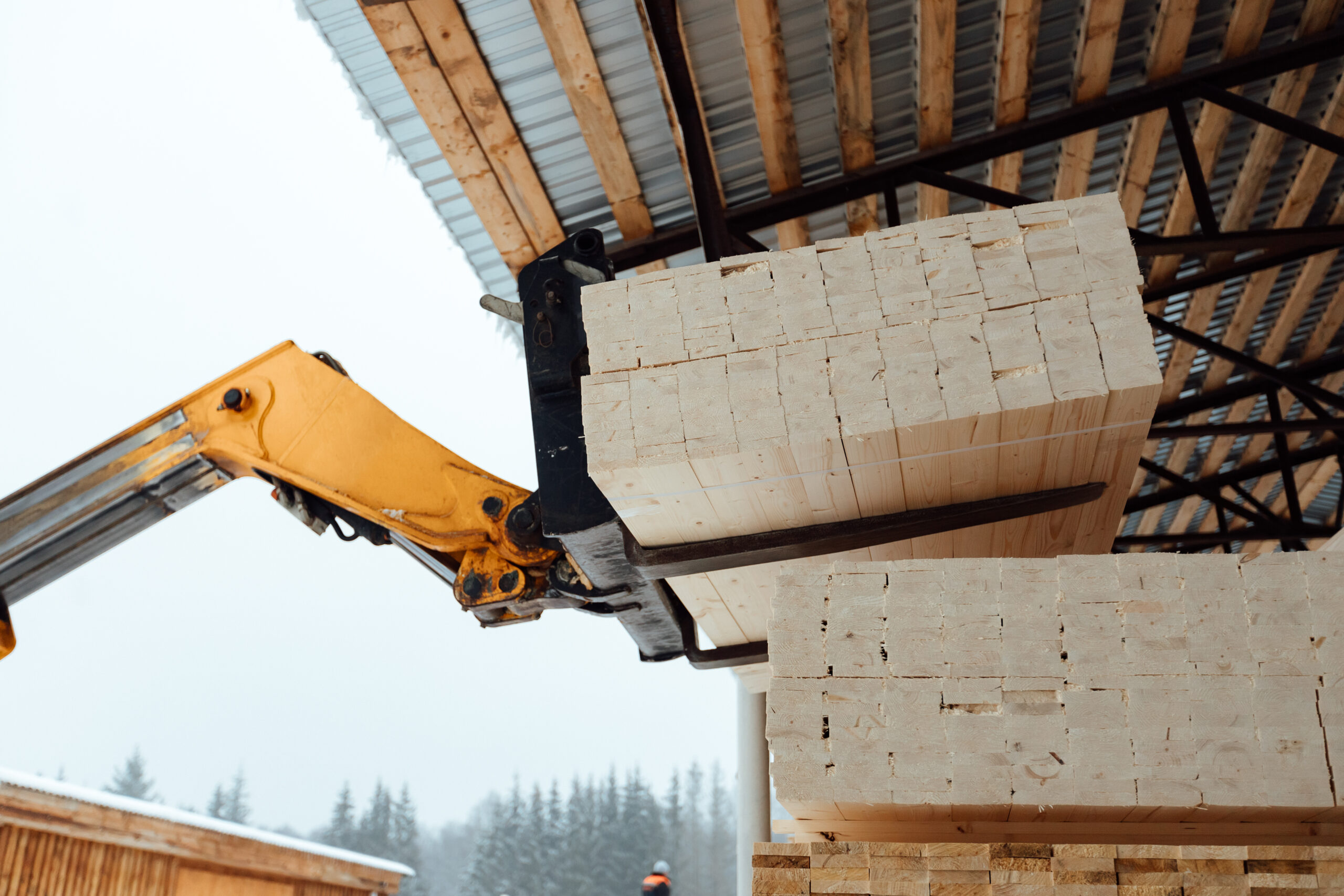
There’s rough-terrain forklifts that are meant to handle loads over uneven ground, or a telehandler that moves materials up and over obstacles. Each one has its own risks, especially when you’re working around unfinished buildings, heavy equipment, and constantly changing conditions. That leads to injuries caused by:
- Uneven or unstable ground that can cause a forklift to tip or become hard to control.
- Heavy or unsecured loads that shift or fall while being moved.
- Crowded jobsites with workers, trucks, and other heavy equipment nearby.
- Blind spots or blocked visibility when moving large materials.
- Open edges, trenches, ramps, or other drop-offs.
- Mud, loose dirt, debris, or other changing site conditions that make the job more dangerous.
Obviously, these kinds of problems can make an already dangerous job a lot more dangerous. And even if you do everything right, you can’t account for someone else cutting corners or putting you in a bad situation. If that’s what causes your injuries, the next step is doing what you can to get financial help.
What Are Your Options After a Forklift Injury?
When you work around forklifts day in and day out, you’re pretty aware of the risks. But that doesn’t mean you have to simply accept it when something goes wrong and you get hurt. And it certainly doesn’t mean you should have to pay for someone else’s negligence.
Once you decide to move forward, you generally have two options:
- Filing a workers’ compensation claim. This is usually the first step after a workplace injury. Workers’ comp is there to provide benefits when you’re hurt while doing your job, without requiring you to prove that your employer was negligent. Those benefits can include:
- Medical care for your injuries
- Temporary disability payments if you’re unable to work
- Permanent disability benefits if your injuries leave lasting problems
- Help with job training if you can’t go back to the same type of work
The good thing about workers’ comp is that you don’t have to prove someone was at fault for the accident. But that doesn’t mean the insurance company will simply accept everything about your claim. They may question your treatment, delay payments, or look for other ways to limit what they have to pay.
- Filing a personal injury claim. In the event that your benefits run out or you need more financial support, you might have the option of filing a personal injury claim. However, it’s a bit more situational because you actually have to show that someone else’s negligence caused your injuries. In the context of a forklift accident, that might mean:
- The forklift wasn’t properly maintained or repaired
- The company used a damaged or defective forklift or part
- Someone was allowed to operate the forklift without proper training
- A contractor or another company created an unsafe situation
- Someone knew about a dangerous condition and failed to fix it
Once you clear that hurdle, though, the claims process works just like it would if the accident happened outside of work. You can typically file either an insurance claim outside of court or a personal injury lawsuit to get damages like:
- Medical bills and future medical expenses
- Lost wages and future income you may miss out on
- Pain and suffering
- Emotional trauma
- The impact your injuries have on your everyday life
- Losses your family may face if the accident is fatal
Keep in mind that there are deadlines involved. In Kentucky, a workers’ compensation claim generally must be filed within two years of the accident, while a personal injury claim generally has a one-year deadline. No matter what option you decide to go with, our team will be there to support you.
Kaufman & Stigger Can Help After a Louisville Forklift Accident
Nobody wants to get injured at work in Louisville, let alone in something as serious as a forklift accident. While safety standards are there for a reason, something can easily go wrong when that gets overlooked. And then you’re the one left facing the aftermath.
But with our Louisville workplace injury lawyers at Kaufman & Stigger, PLLC, you don’t have to face it alone. Set up a free consultation today and let us help you through it.